

What is Advanced Energy?
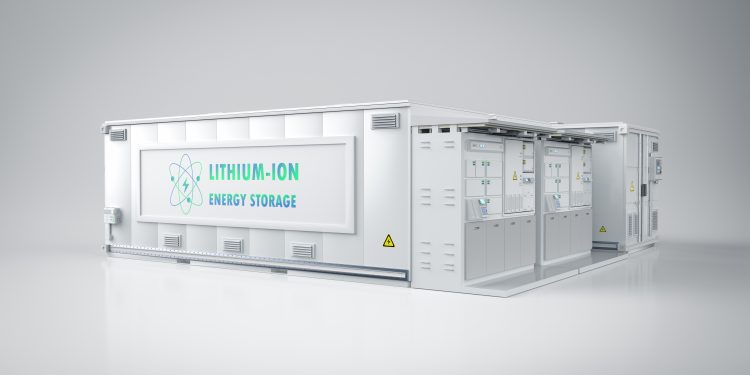
Advanced energy is a broad category of technologies that supply electric power in a variety of ways. In the material handling industry, advanced energy refers to the rechargeable battery systems that power forklifts, robotics, and energy storage systems providing reliable power with less pollution than fossil fuels. But even narrowed down to material handling, there are still different types of battery technologies available, making it hard for business owners to know which one is best for them. With that in mind, let’s examine these technologies and how they work.
The two most common advanced energy technologies in the material handling industry are lead and lithium-ion renewable batteries. These two technologies have been around for decades (lithium was introduced for lift trucks in 2015), so most people are familiar with them. However, this familiarity also means that people may have some biases for or against a particular technology. Both technologies have made advancements that can provide warehouses with high efficiency, reliable power, and economic value for years to come
Lead – The OG
While it seems like much of industry’s focus has been on lithium-ion batteries, lead still powers most of the electric forklift market. And even though this technology has been around for over a century, it’s far from outdated. Technological advances make lead batteries a continued power provider for forklifts and warehouses. These advances are in maintenance, fast/opportunity charging, and sustainability.
A major advancement in lead batteries is the use of gel electrolytes instead of fluid. Fluid lead batteries, called flooded batteries, require regular maintenance, specifically watering to maintain the battery fluid. Gel electrolyte lead batteries do not need watering, meaning less maintenance and downtime.
In the past, forklifts using lead batteries were bound by the 8-8-8 rule. The battery would run a truck for eight hours, then charge for eight hours, and then have to set or cool for eight hours. Technology advances now allow for opportunity and fast charging, methods that weren’t permitted a few decades ago. This advancement also means that warehouses no longer need a “battery room” where batteries are taken out of the vehicle and put in a room to charge and set, which not only required extra time, but extra space. Now lead batteries can be charged like a lithium battery at chargers located through the warehouse.
One of the most important advancements in lead technology is that, unlike their lithium-ion counterparts, lead battery components and materials can be completely recycled and turned into new batteries. The lead battery’s OEM can take in used batteries and turn them into new ones providing much needed sustainability in the battery manufacturing industry all while providing a credit to the customer.
Lithium-ion – New Tech that Is Old Reliable
While lithium-ion technology is considered new, it’s been around for a decade (2015), which means that many of the issues the technology had when it started have improved, making the technology even more reliable, economical, and safe.
The biggest advancements in today’s lithium technology are in energy density and safety. Today’s lithium batteries not only have higher energy density than lead batteries, but they are also faster charging, making them have advantages that are important in the fast-paced material handling industry
Lithium has had its challenges when it comes to safety. Batteries that get too hot are susceptible to thermal runways, which can cause fires, fires that are dangerous and extremely difficult to extinguish . While lithium technology, the higher the energy density is in direct correlation to higher safety concerns. For example, NMC (Nickel Manganese Colbalt) has higher energy density than Lithium Iron Phosphate (LFP but it has a higher risk of thermal runaway. However, lithium batteries can use temperature sensors that will shut the battery down if it gets too hot before damage or fire can occur. Other safety improvements include better separation between the anode and cathode compartments and new battery chemistries less susceptible to thermal runaway, such as lithium titanate. However, these newer chemistries come at a higher cost. In addition, when it comes to end of life, lithium batteries are disposed at a cost to the customer. The infrastructure for lithium-ion battery recycling is less mature, particularly for closed-loop recycling into new batteries.
When it comes to which of these two technologies – lead or lithium – is best for a warehouse, it’s important to remember that each has advantages and disadvantages depending on their application and a warehouse’s needs. In some cases, a combination of both might work best. It’s important to work with an Advanced Energy Council member company to ensure you’re getting the right technology for your warehouse.
New Technologies – The Up and Comers
Two new energy technologies on the horizon include solid state batteries and hydrogen fuel cells. Solid state batteries are similar to lithium-ion except they have a solid electrolyte instead of a liquid, which is much less flammable. While there have been advances in solid state batteries, most of those advancements are in batteries for energy storage, not electric vehicle batteries, however, some car companies hope to have EV models with solid state batteries as early as 2027-2028. Because this technology is new, it is considerably more expensive than lead or lithium battery technology.
Hydrogen fuel cell technology, which is powered by abundant hydrogen, has made great strides in the last few years and gained a lot of interest, particularly from auto makers. However, it still has one big disadvantage: infrastructure. Similar to the issues in charging electric vehicles years ago, there are few to no places to refuel with hydrogen. The material handling industry, however, is a uniquely suited industry that could adopt this technology sooner because all the vehicles needing refueling are contained on-site. This means a large facility could house its own storage tanks and refueling equipment, as is happening at the Ports of Los Angeles and Corpus Christi. However, building on-site fuel cell infrastructure would mean huge upfront costs making it difficult to determine a return on investment.
Also receiving some notice is another battery type called Flow Batteries or Redox Flow Batteries. These are large, heavy batteries that use redox reactions on liquid electrolytes to produce energy. However, this battery technology is more suited for energy storage systems and utility grid backup than in vehicles so their use in the material handling industry is limited.
Talk to the Experts
Looking to change or upgrade the advanced energy systems in your warehouse? It’s important to talk to the experts on MHI’s Advanced Energy Council. That is because different technologies fit different warehouse applications. Recent advancements mean that a technology that wasn’t a good fit before might be an option now. AEC member companies are uniquely qualified to help businesses figure out which technology – or combination of technologies – will work best for them.
For more information about the Advanced Energy Council: mhi.org/aec
For further articles from the Advanced Energy Council:
Choppy Waters Ahead: Navigating a New Wave of Tariffs
When a Battery Becomes a Razor: Using Lithium-ion Batteries in Peak Shaving Energy Strategies
ICYMI: AEC’s ProMat 2025 Discussion Panel Overview
Second Acts: How Used Lithium-ion Batteries Can Continue Performing in Your Operations
Recalculating: Including Productivity Gains in Total Cost of Ownership
Charging Forward: What’s Next in Advanced Energy
What Is a Battery Passport? A Ticket to Lithium-ion Battery Transparency

