

Building a Reliability Centered Maintenance Culture
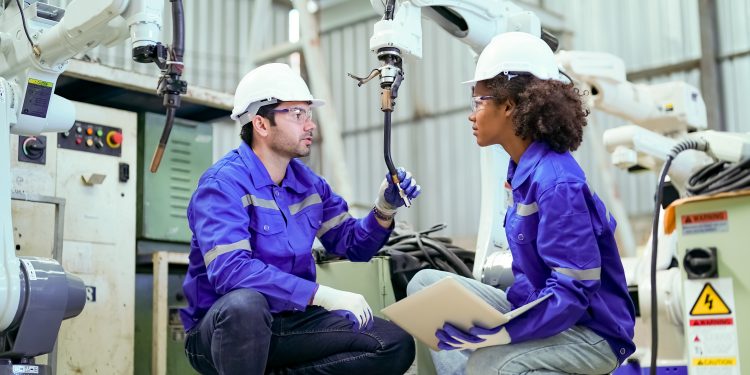
Every maintenance team has had days like this. Everything in the warehouse seems to break down at once.
Instead of running operations, the team fixes one system after another. Meanwhile, leadership and warehouse staff check in every few minutes, asking when the line will restart.
If your team spends more time on breakdowns and unscheduled maintenance than on planned work, you are firefighting, not managing maintenance. Getting out of that mode takes planning, organization, and commitment. It starts with building a real warehouse maintenance reliability culture, one grounded in a proactive maintenance strategy instead of constant repair.
Start with a Clear Maintenance Team Structure
The foundation of a reliable maintenance operation is a clear structure. Everyone should know who is responsible for what.
They should also know how to report and escalate issues, from routine repairs to five-alarm emergencies. Building that structure before something goes wrong is what allows the most urgent issues to reach the right people fastest.
Most maintenance teams follow a similar hierarchy. A senior maintenance director or similar leader sits at the top. Managers or supervisors oversee different parts of the warehouse, assistants carry out instructions, and technicians perform the work, often organized by shift.
Every level should align on scheduled maintenance. Just as important, they should agree on the chain of command when something breaks down with no warning.
Technicians should know which fixes they can handle on their own, when to escalate to management, and when to call an OEM for support. That knowledge keeps repairs and maintenance activities running smoothly.
Once that structure is in place, three pillars keep a maintenance reliability culture running: training, communication, and recognition.
The Three Pillars of Reliability
Training
Training technicians and staff is the most obvious pillar, and for good reason. The more your team knows about warehouse equipment and systems, the faster and more effectively they can respond. Knowledge of maintenance best practices, common breakdowns, and emergency repairs all matters here.
But training should not stop with the maintenance team. Warehouse operations staff also benefit from basic training in equipment and maintenance.
That includes what to look and listen for, and who to contact if something seems off or regular maintenance needs to move up. Training operations staff to spot these signs early keeps small issues from becoming bigger, more expensive ones and helps prevent failures before they start.
Communication
Reliability also depends on communication, both within the maintenance team and across departments. Warehouse staffing needs advance notice of scheduled maintenance, software updates, or other planned downtime. Customer service and sales teams need the same notice so they can set accurate expectations with clients.
Purchasing needs visibility into parts reorders and scheduled service visits too. That way, maintenance teams don’t wait on purchase orders or payments that delay repairs.
Recognition
Recognition often comes after a fire is put out, and leadership is right to reward the people who solve that problem. But CM&R members note that the people who prevent issues from happening in the first place deserve recognition too.
Rewarding staff who keep the warehouse running smoothly, or who catch trouble before it becomes a problem, sends a clear message. Reliability becomes a real priority, not just a talking point.
Quantifying Reliability with Data
Reliability becomes measurable once you can put numbers behind it. A critical asset analysis is a good place to start. Identify your critical assets, the pieces of equipment you cannot operate without, then assess and track their reliability from there.
A computerized maintenance management system, or CMMS, supports that effort by centralizing maintenance information, work orders, inventory management, and preventive maintenance scheduling. A CMMS can also show you where to optimize equipment maintenance and reduce downtime.
For example, it can report how many hours were spent on reactive repairs versus proactive care. Equipment with more reactive hours than proactive hours is where your team should focus first, since that pattern often means failures occur more frequently than they should.
A failure mode and effects analysis, or FMEA, is another useful tool. It surfaces pain points in your systems and equipment before they become failures.
Your team can then plan maintenance in advance or schedule regular upkeep to head off the issue altogether. Together, these tools support what many practitioners call reliability-centered maintenance, or RCM.
This approach matches your maintenance effort to how critical and failure-prone each piece of equipment really is. Some teams pair it with condition-based maintenance (CBM), using sensor data and machine learning to flag developing problems early.
Why Reliability Matters
Lowering Costs and Lost Business
Reliability is more than a buzzword. It is vital to warehouse operations. Every issue a team catches before it becomes a full failure saves time, orders, and money.
Left unresolved, a problem tends to take longer, and often more people and parts, to fix, which drives up the cost. Equipment repairs can cost up to five times as much as regular maintenance.
Keeping equipment maintained is almost always the more cost effective path, one of the more reliable ways of reducing maintenance costs over the long term. Many CM&R members report real cost savings once they reduce costly emergency repairs through proactive care.
Employee Safety
Breakdowns carry safety risk too, and not just for warehouse staff. Extensive repairs, especially involving moving parts or electrical systems, can be dangerous work for technicians. Staying current on maintenance, service visits, and replacement parts protects the operators who use the equipment. It also protects the technicians who repair it.
Breakdowns happen without warning, which puts technicians under pressure to fix issues quickly. Rushed repairs are when mistakes and oversights happen.
Scheduling maintenance during slower periods, with fewer people and orders in motion, gives teams room to work safely. It also gives them time to run the proper checks before restarting.
System Efficiency
Well-maintained equipment produces fewer defects and faster throughput. A breakdown that happens mid-process can damage both products and equipment, leading to order errors and delays. A well-maintained system delivers better order outcomes and efficiency, which in turn strengthens customer service.
A Vision Worth Building Toward
A reliability culture does not happen overnight. It takes time, budget, and consistent effort to put the right systems in place. More than that, it takes vision and commitment from everyone involved.
That includes company leadership, technicians, and other team members on the floor. Setting clear reliability goals, and communicating them consistently, is what makes the culture stick.
Warehouses can build the pillars of training, communication, and recognition. They can quantify reliability with real data and keep the reasons for reliability visible across the team. Together, those steps move a warehouse out of firefighting mode and into a culture built to last.
Explore MHI’s Solutions Community to keep learning about condition monitoring, reliability, and other warehouse best practices.
Contributor: Brian O’Donnell, American Eagle Outfitters
Reviewed by: Solutions Community Condition Monitoring & Reliability Committee
For more information about the Solutions Community: mhi.org/solutionscommunity
For further articles from the Solutions Community:
Signs You’re Ready for an Automated Warehouse
Electrical Safety in the Workplace: Finger Safe Devices
Conveyor Jam Detection and Prevention: How It Works
Improving Warehouse Labor Productivity with Real-Time Insights
Brownfield Integration Challenges in Warehouse Automation
Warehouse KPI Examples: What KPIs Really Matter?
Is It Time to Upgrade Your WMS Systems?
Peak Season Warehouse Training for Seasonal Employees

